Start with the vehicle, not the truck
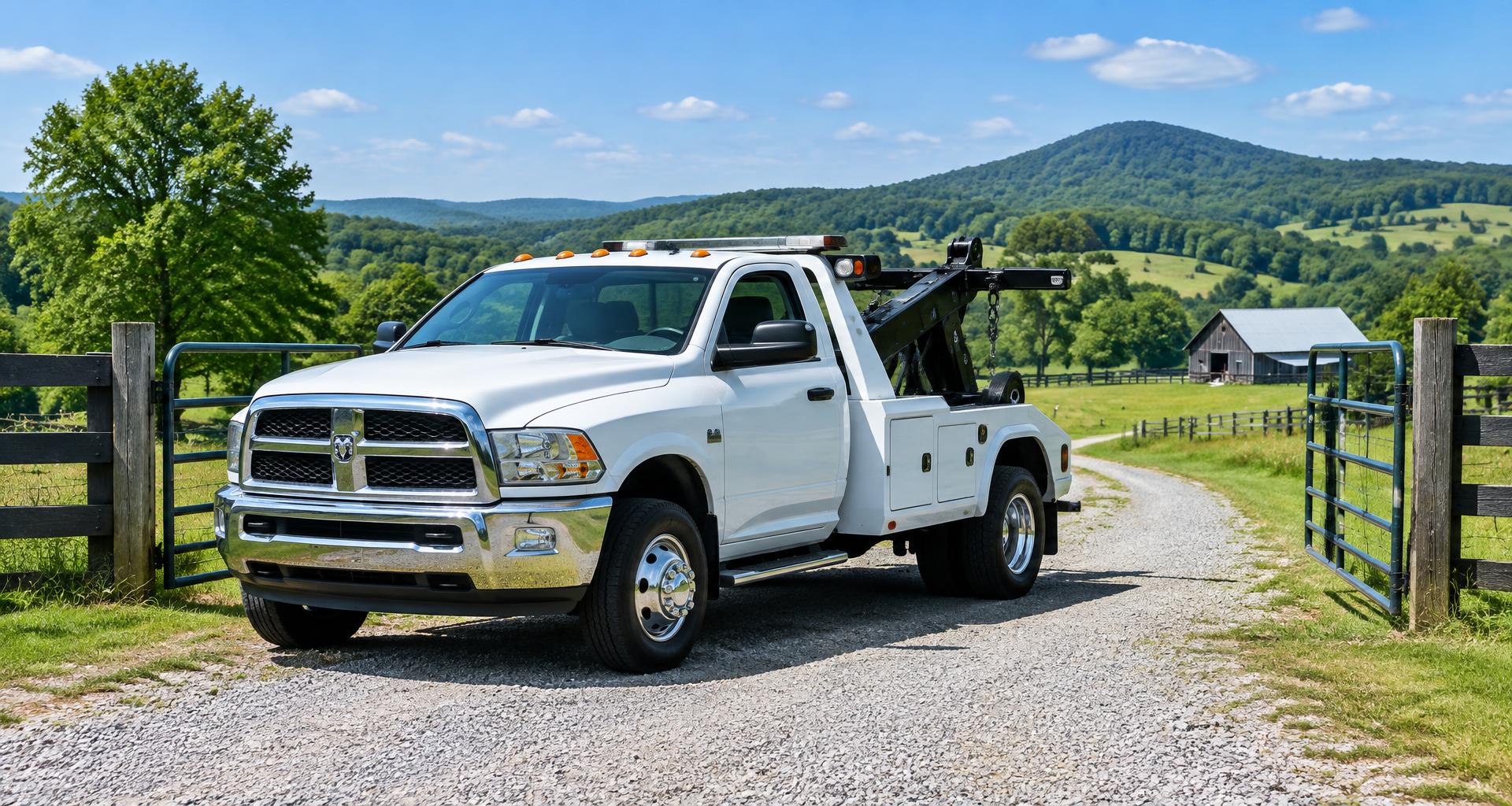
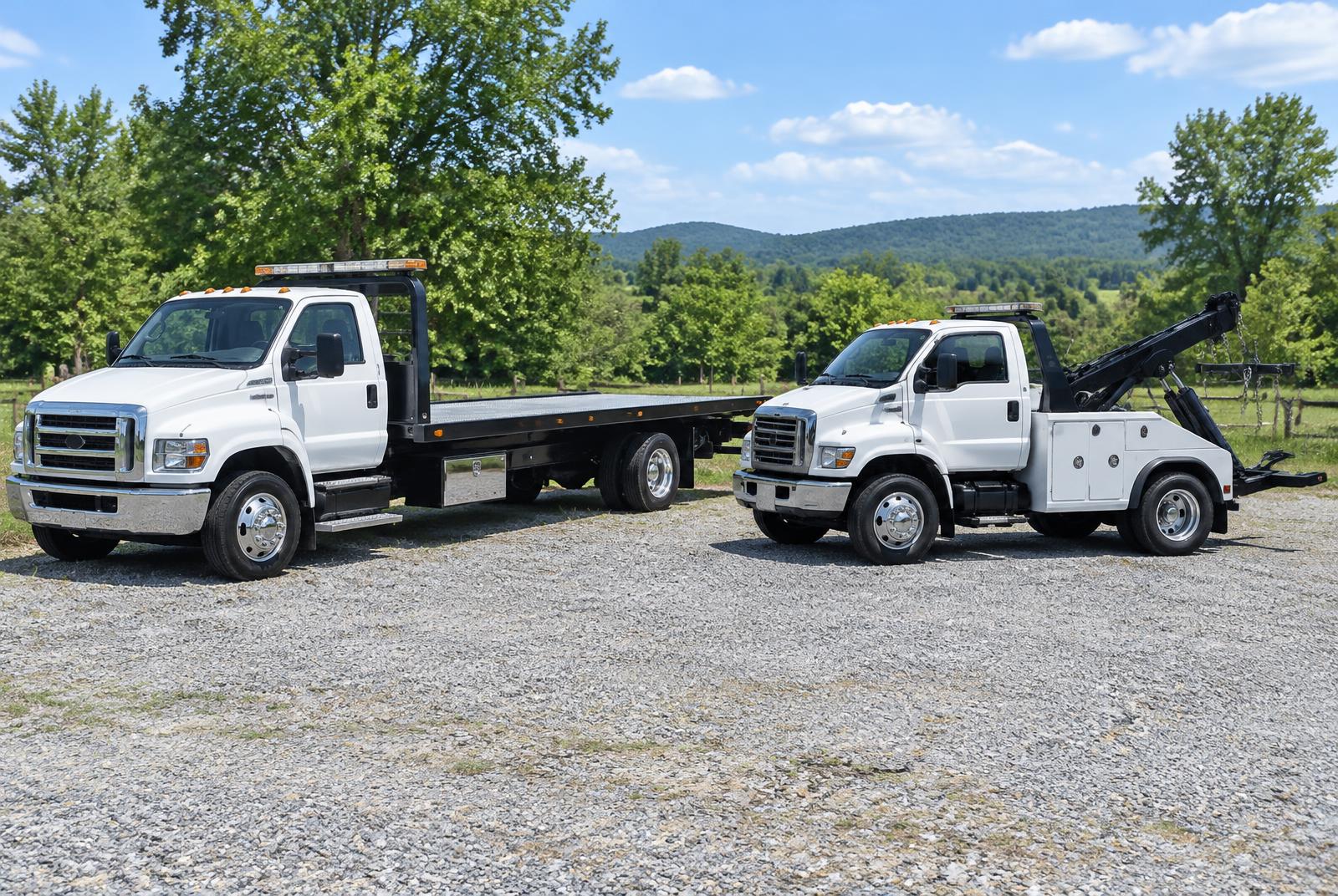
A flatbed and a wheel-lift are different tools, not interchangeable answers for every vehicle. A flatbed carries the vehicle on a platform, keeping its wheels off the road. A wheel-lift raises one end, with the overall setup depending on the vehicle and any additional equipment used. The correct choice begins with manufacturer instructions, drivetrain and condition. A car that rolls normally may still have restrictions. A damaged car may need a loading plan before either method can be considered. Do not choose simply because one truck looks larger or because another vehicle was towed a certain way.
Read the towing instructions
Your owner’s manual is a better starting point than a guess about the badge on the trunk. Find the section covering transport, recovery or towing a disabled vehicle. Be careful not to confuse recreational towing instructions with roadside recovery instructions. If you cannot locate the manual, ask the manufacturer or a repair shop for the correct information. Have the make, model and year ready. Explain any changes from the factory setup. Do not give an operator a rule you found for a similar-looking car and assume it applies to yours.
Why AWD and four-wheel drive need attention
A vehicle with multiple driven wheels can have transport restrictions that are not obvious from the outside. Even a vehicle that will not start may still have drivetrain parts connected to turning wheels. Letting the wrong wheels turn during transport can be inappropriate for the specific model. Rather than trying to solve this by selecting a gear or pressing a mode button, explain the drivetrain and share the manual’s instructions. Ask whether all wheels need to be kept off the ground. Confirmation of the required setup and its availability belongs in the planning conversation.
Ground clearance changes the loading conversation
Low bumpers, splitters, side skirts and modified suspension affect approach angles. A vehicle can fit on a platform yet still need careful planning to reach it. Mention a lowered ride height before a truck is arranged. Photos from the front, side and rear may be useful if taken in a safe place. Describe loose or damaged bodywork as well. Do not add makeshift ramps, remove parts or attempt to drive onto a platform without the operator’s direction. The goal is an appropriate loading method, not simply finding a flat surface to park on.
Damage and rolling condition are separate details
An accident-damaged vehicle may have wheels pointing in different directions, leaking fluid or parts hanging loose. A project car may look intact but have seized wheels or disconnected steering. Tell the operator whether each wheel rolls, whether the steering turns and whether the vehicle can be shifted as expected. Do not test those things if the vehicle is unstable or your surroundings are unsafe. When information is unknown, say so. Honest uncertainty is more useful than a confident statement that turns out to be wrong at pickup.
Check access at both ends
Vehicle suitability is only part of the job. A narrow driveway, a parking garage, low branches or a steep entrance can affect what reaches the car. Give the pickup location and describe available space. At delivery, verify that the shop or property can accept the vehicle and that someone can provide access. A destination change after loading may create a different move than the one discussed. Write down the receiving contact and any restrictions so the transport conversation covers the entire journey.
Do not confuse towing attachment points with convenient metal
The underside of a car has many parts that look strong without being intended for towing or securement. The manual may identify specific recovery or transport points, and an operator may need to inspect the vehicle before choosing an approach. Do not attach your own rope or chain as preparation. Tell Carl about damaged suspension, missing covers or modifications instead. If you have a removable towing eye supplied with the car, mention it and keep it accessible without trying to use it yourself. The loading discussion should distinguish manufacturer-approved attachment guidance from guesses based on appearance.
A short checklist for the conversation
Have four subjects ready: the manufacturer guidance, the vehicle condition, the pickup access and the destination. Under manufacturer guidance, include drivetrain and any transport restrictions. Under condition, mention rolling, steering, damage and clearance. Under access, describe the road or property entrance and obstacles. Under destination, confirm the receiving place and contact. If one category is unknown, record the question rather than skipping it. This approach works for a daily driver as well as a classic car, and it keeps the discussion centered on the specific move instead of a general argument about which towing method is always better.
Discuss the setup with Carl
If you need towing around Decherd or Winchester, call or text Carl with the vehicle details and any manufacturer instructions. Ask about local towing, whether an all-wheels-off-the-ground setup is appropriate and whether the necessary equipment is available. Call or text Carl with the details and he’ll tell you straight what it takes. A clear discussion about condition, drivetrain, clearance and access is more useful than asking for a truck type without explaining the car.
Discuss your next move
Call or text Carl with the details and he’ll tell you straight what it takes. If anyone is in danger on the road, call 911 first.
Call (931) 308-9747