Plan the move before the purchase is complete
A project car can be exciting precisely because it has been untouched for years, but its transport details deserve attention before you commit to a pickup. Ask where it sits, whether it can roll and how ownership will be documented. A seller’s description that it “just needs a battery” is not a loading plan. DCR does not assume a vehicle runs simply because that is the project’s goal. Gather the facts and discuss transport before promising a date or telling the seller that a truck will definitely fit through the property entrance.
Inspect safely and record what you know
Photographs should show the vehicle from several angles and the route from the road to its current position. If it is safe to observe, note tire condition, steering position and visible damage. Do not crawl beneath a car supported by unknown blocks or sitting on soft ground. Avoid disturbing a vehicle that may shift. State clearly when brakes, wheels or steering have not been tested. Unknown condition is part of the job description. Trying to make a dormant vehicle move without an appropriate plan can add damage or risk before hauling even begins.
Rolling and steering matter even when the engine does not
A non-running engine does not tell the operator whether the wheels roll, the steering turns or the transmission can be put into an appropriate position. Missing wheels, seized brakes and disconnected steering can all affect loading. Explain those details and any parts stored inside or beside the car. The intended restoration may depend on parts that look unimportant to someone else. Tell Carl about fragile areas and any concerns before a transport arrangement is made.
A barn doorway is part of the pickup
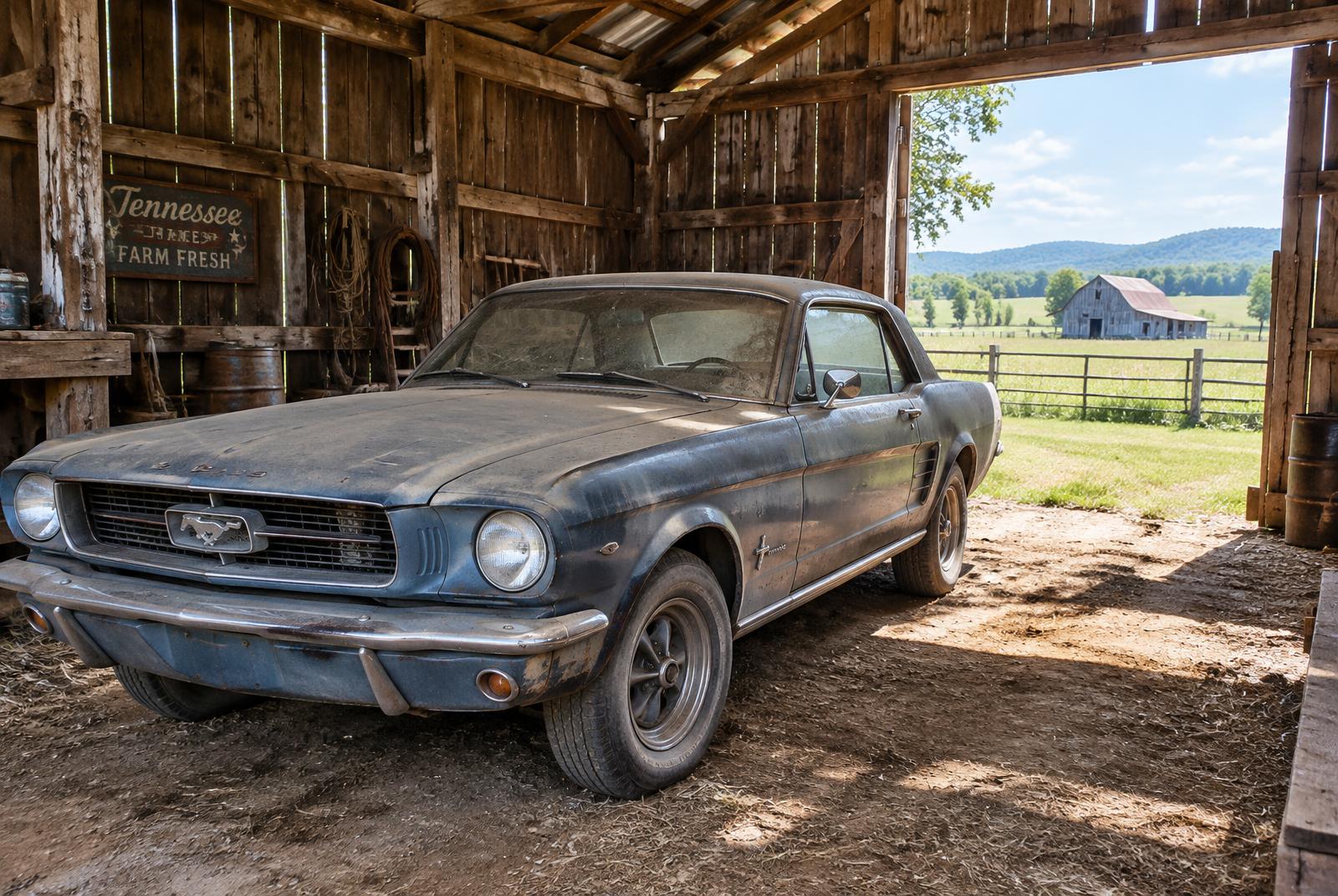
Measure the doorway and explain the entrance, floor condition and space outside. Mention low beams, parked machinery or obstacles along the approach. A vehicle may fit through a doorway while the necessary loading setup cannot reach it directly. A field adds ground condition, slopes and vegetation to the discussion. Take photos of the complete approach from a safe place. Do not cut, tow or push the car into an unstable location on the assumption that this will save work. Describe the original situation and let the access plan be discussed.
Agree on what travels with the car
A barn find may come with spare doors, an engine, boxes of fasteners or unrelated scrap. Create a list and explain how loose parts are stored. Transporting the vehicle is not automatically an agreement to take every object nearby. Ask how included parts need to be secured and whether they fit the arrangement. Remove personal belongings and obtain keys or documents as appropriate. Confirm ownership and authorization with the seller. Do not skip paperwork because the car is not roadworthy; the right to move and receive it still needs to be clear.
Prepare the receiving space
A project car that does not roll easily can be difficult to reposition after unloading. Plan where it will sit, not just which property it is going to. Check that access is open and the receiving person understands the condition. A garage threshold, slope or narrow driveway can matter at delivery just as much as a barn entrance at pickup. Keep unrelated equipment clear and discuss the intended unloading spot before the move. A well-chosen destination saves uncertainty after the trip.
Do not let restoration plans obscure transport reality
A future engine swap, paint job or set of tires does not change the condition on pickup day. Describe the vehicle as it is now, including missing components and parts you plan to keep. If the seller is doing preparation before collection, confirm exactly what will be done and ask for updated photos. Condition can change, and a planned repair may not happen before the agreed move. Keep the transport description separate from the restoration wish list so the operator has usable information.
Keep the seller and receiver on the same page
For a vehicle purchased from another person, agree on who provides access and authorization at pickup and who accepts it at delivery. Share the agreed plan with those contacts without assuming they know each other’s arrangements. A locked gate or a missing key can matter even when the route is straightforward. Clarify loose parts and the intended unloading spot before the trip. If the origin or destination changes, discuss that change before proceeding. This is particularly useful for a project car bought outside the local area, where returning to collect a forgotten item may be inconvenient.
Talk through local or longer-distance transport
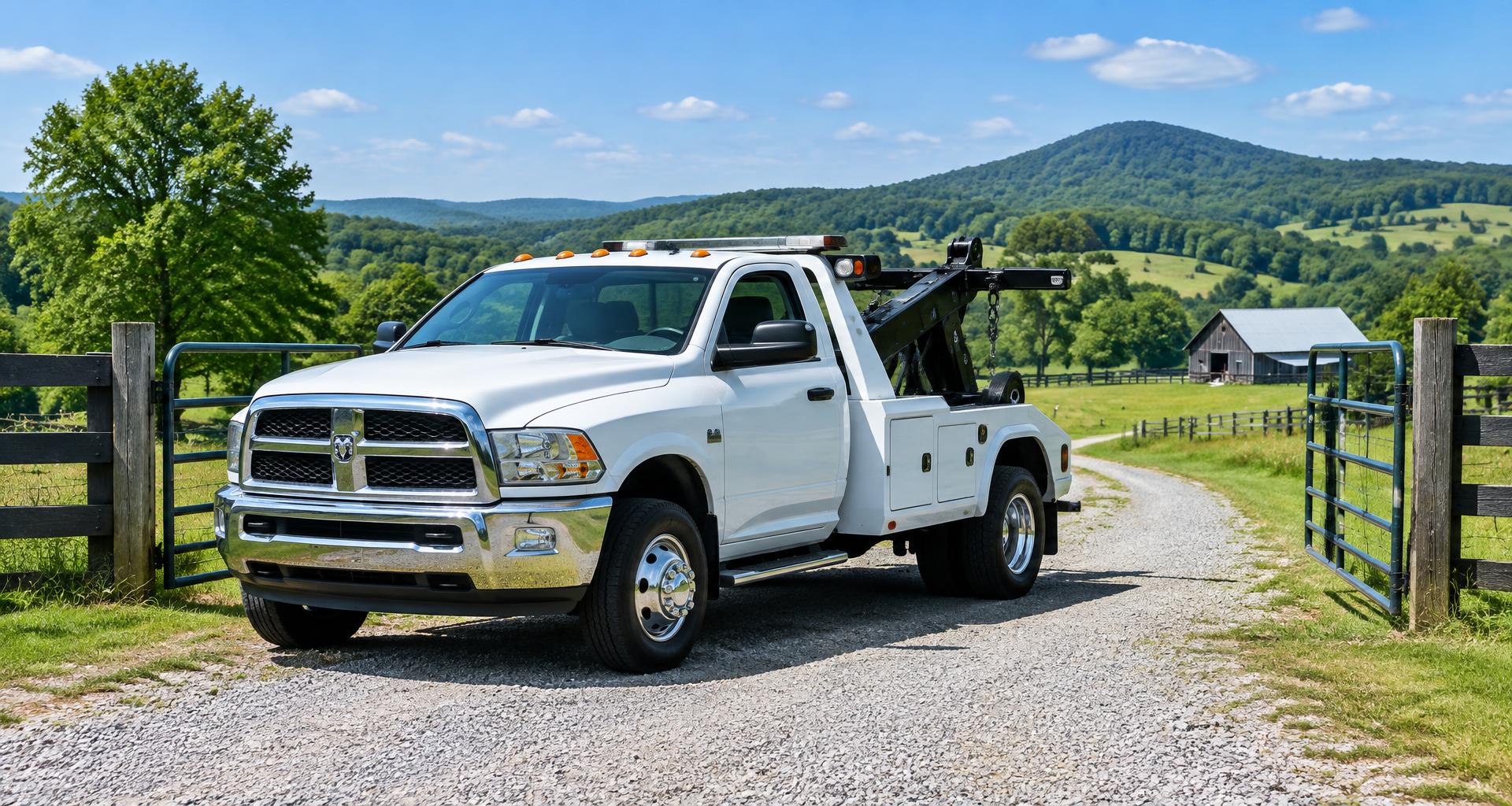
Call or text Carl with the origin, destination, photos and condition details. A nearby project-car move may involve equipment and vehicle hauling; a longer trip needs a conversation about distance and availability. An all-wheels-off-the-ground transport setup may be appropriate for a car that can’t roll; Carl will talk through the right setup. DCR is based in Decherd and serves Franklin, Coffee and Grundy counties, with longer trips discussed by arrangement. Before the new project comes home, make sure the pickup, paperwork, loading and unloading plan are as clear as the restoration idea.
Discuss your next move
Call or text Carl with the details and he’ll tell you straight what it takes. If anyone is in danger on the road, call 911 first.
Call (931) 308-9747