Begin with hazards, not the trailer
After a storm, the urge to clear a driveway or yard can be strong. First look for hazards from a safe position: downed wires, unstable trees, damaged structures and standing water with unknown contents. Stay away from electrical lines and contact the appropriate emergency or utility service. Debris hauling is not emergency tree work, electrical work or structural repair. A hauling discussion should begin only after the location and the material can be approached safely. If danger remains, cleanup waits for the appropriate help.
Separate materials before asking about pickup
A mixed pile makes it hard to see what is being moved. Where it is safe to do so, identify branches, cut wood, furniture, construction scraps and appliances separately. Do not sort unstable material by climbing into a pile. Take photos from safe positions and explain what lies underneath. A pile that looks like branches may contain wire, nails or sharp metal. Clear descriptions help Carl discuss acceptance and handling. Ordinary yard debris and an appliance do not necessarily have the same disposal requirements, even when both came from the same cleanup.
Keep hazardous and unknown items out
Paint, fuel, chemicals, unidentified containers and other potentially hazardous materials should not be hidden in an ordinary debris load. Leave them separate and ask the appropriate local disposal program how to handle them. Do not pour liquids out to make a container seem empty. If you cannot identify a material, say that. Call or text Carl with the details and he’ll tell you straight what it takes.
Tree size changes the conversation
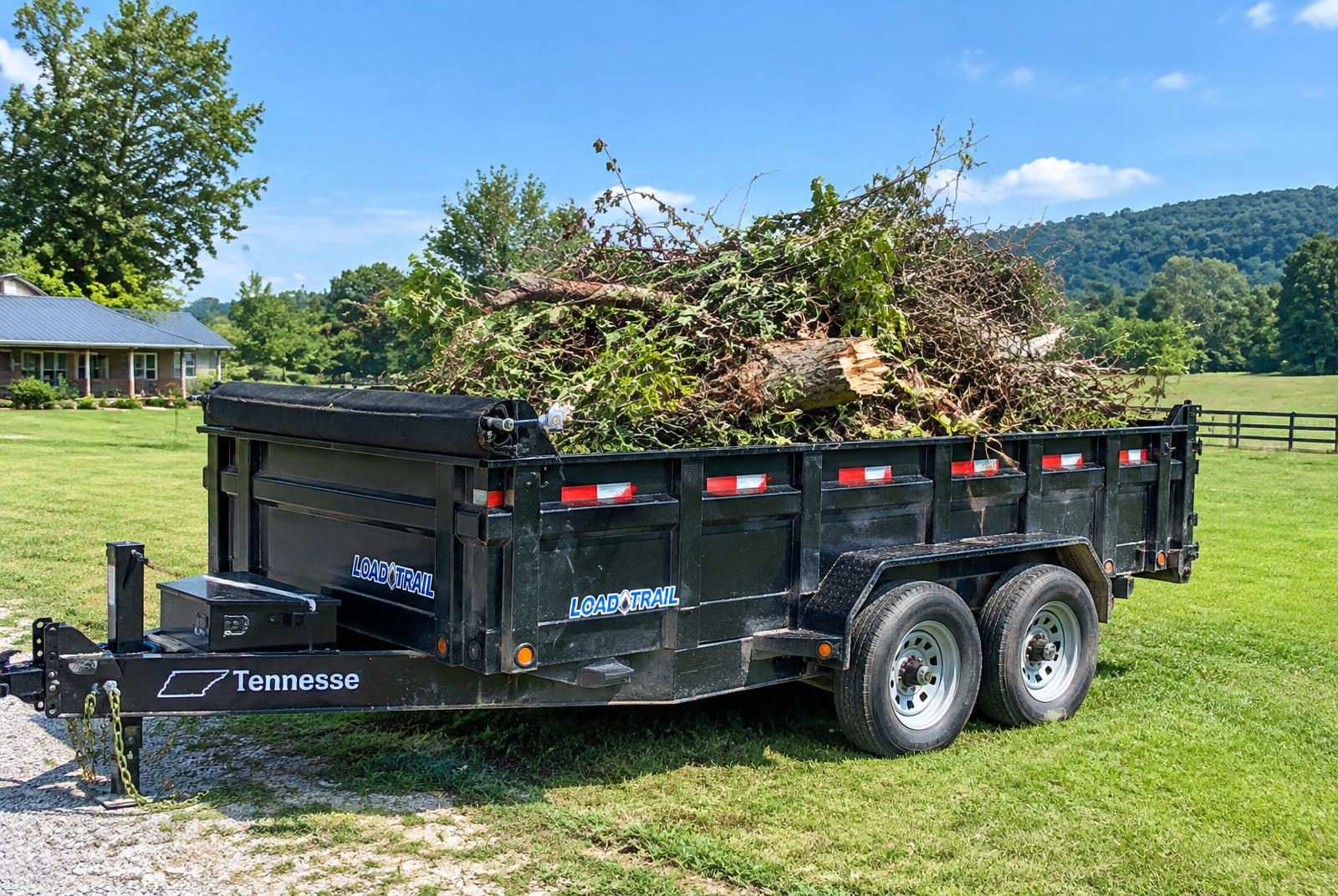
A fallen branch is not the same as a whole tree. Length, diameter, weight and how the wood is tangled affect what can be moved. Cutting can itself be dangerous, especially with limbs under tension or trees against a structure. Do not undertake cutting you are not equipped or qualified to do. Describe whether the wood has already been cut and how it sits. Ask about hauling the prepared material rather than implying that tree removal or cutting is included. A clear boundary between preparing debris and transporting it prevents an unsafe assumption.
Choose staging locations carefully
If a pile can safely be prepared, ask about the pickup position before relocating everything. Keep material out of travel lanes, away from utilities and clear of entrances needed for access. Soft ground after rain can affect where a hauling vehicle stops. Explain the driveway condition and available space to turn. Do not block a public road or place debris on someone else’s property. At a rural Middle Tennessee home, a large yard does not automatically mean the pickup area is accessible. The approach, ground and location of the pile all matter.
Use photos to explain volume
Take a wide photo showing the whole cleanup area, then closer photos of different material types. An ordinary object can help show scale, but do not move into a dangerous area just to place one in the frame. Mention items hidden from view and give approximate dimensions of the pile. Explain whether furniture or appliances are indoors, upstairs or behind a gate. Those are access details, not minor extras. A hauling conversation based on clear photos is still subject to confirming the actual material and pickup conditions.
Document damage without turning documentation into a risk
If you need photos for your own records, take them from locations you can reach safely. A wide view may show the cleanup area without requiring you to stand beneath a damaged tree or enter an unstable building. Keep those records separate from the photos you send to explain hauling volume when necessary. Do not move dangerous material just to make a clearer picture. If emergency or utility work has to happen first, tell Carl that the hauling request is for a later stage. The order of the cleanup matters more than having every item photographed immediately.
Avoid turning one pile into a hidden surprise
As cleanup continues, a pile may grow or change after the first conversation. Update the description if appliances, construction material or other items are added. Explain what is new rather than relying on the earlier photos. Do not conceal sharp edges or uncertain material beneath branches. If different family members are clearing the property, agree on which materials belong in each area so sorting is not lost along the way. The pickup arrangement should match the final load, not the smaller or simpler pile that was visible before additional cleanup work began.
Discuss acceptance before arranging a haul
Call or text Carl about junk and debris hauling in Decherd, Pelham and surrounding Franklin, Coffee and Grundy communities. Describe the materials, pile dimensions and access. Ask what can be accepted and what needs a different disposal route. Call or text Carl with the details and he’ll tell you straight what it takes. The practical next step is a clear conversation about the actual load after safety hazards are addressed. Keeping uncertain materials separate protects that plan from becoming a last-minute discovery at pickup.
Discuss your next move
Call or text Carl with the details and he’ll tell you straight what it takes. If anyone is in danger on the road, call 911 first.
Call (931) 308-9747